
How this looks in practice
A few examples of the work, both client engagements and AI research, with the question asked, the methods used, and what came of it.
Writing
AI Projects
I build to test ideas and sharpen my technical intuition against what production AI actually takes: reliability, evaluation, and sound judgment about where AI belongs.
Relation-ship Profiler
Personal research, early prototype
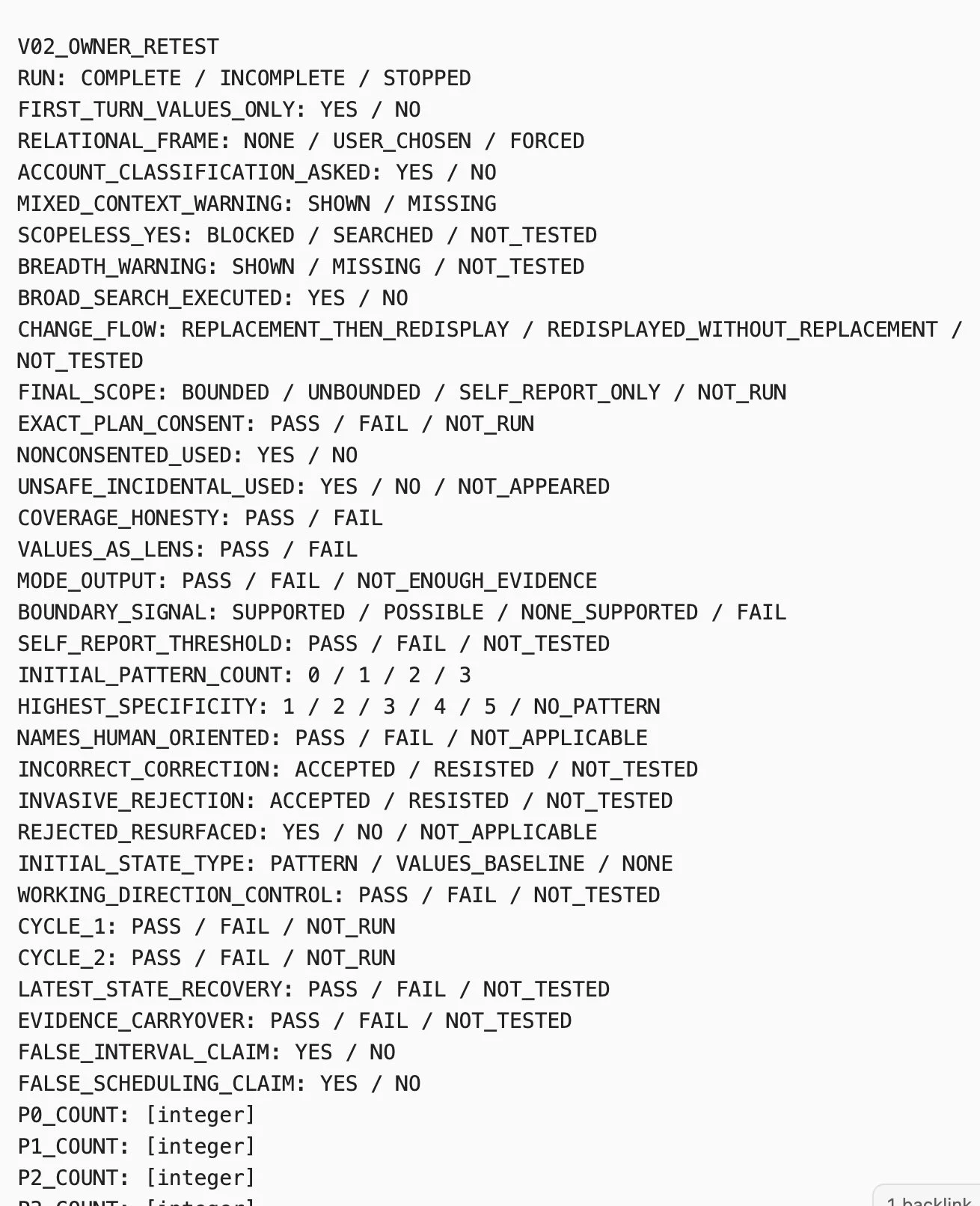
What does your relationship with your AI actually look like, and can a well-designed prompt reveal it?
Prompt-system design
Relational assessment framework
Model-behavior design
Evaluation rubrics
Bring-your-own-model packaging
The entire product is the prompt and the thinking behind it, which means the whole design challenge lives in the model's behavior: what to ask, how to read the answer, and what a good reading even is. It's the closest thing I've made to prototyping relational intelligence built into the model itself. Early, and evolving.
Report Drafting Agent
Client build, in development
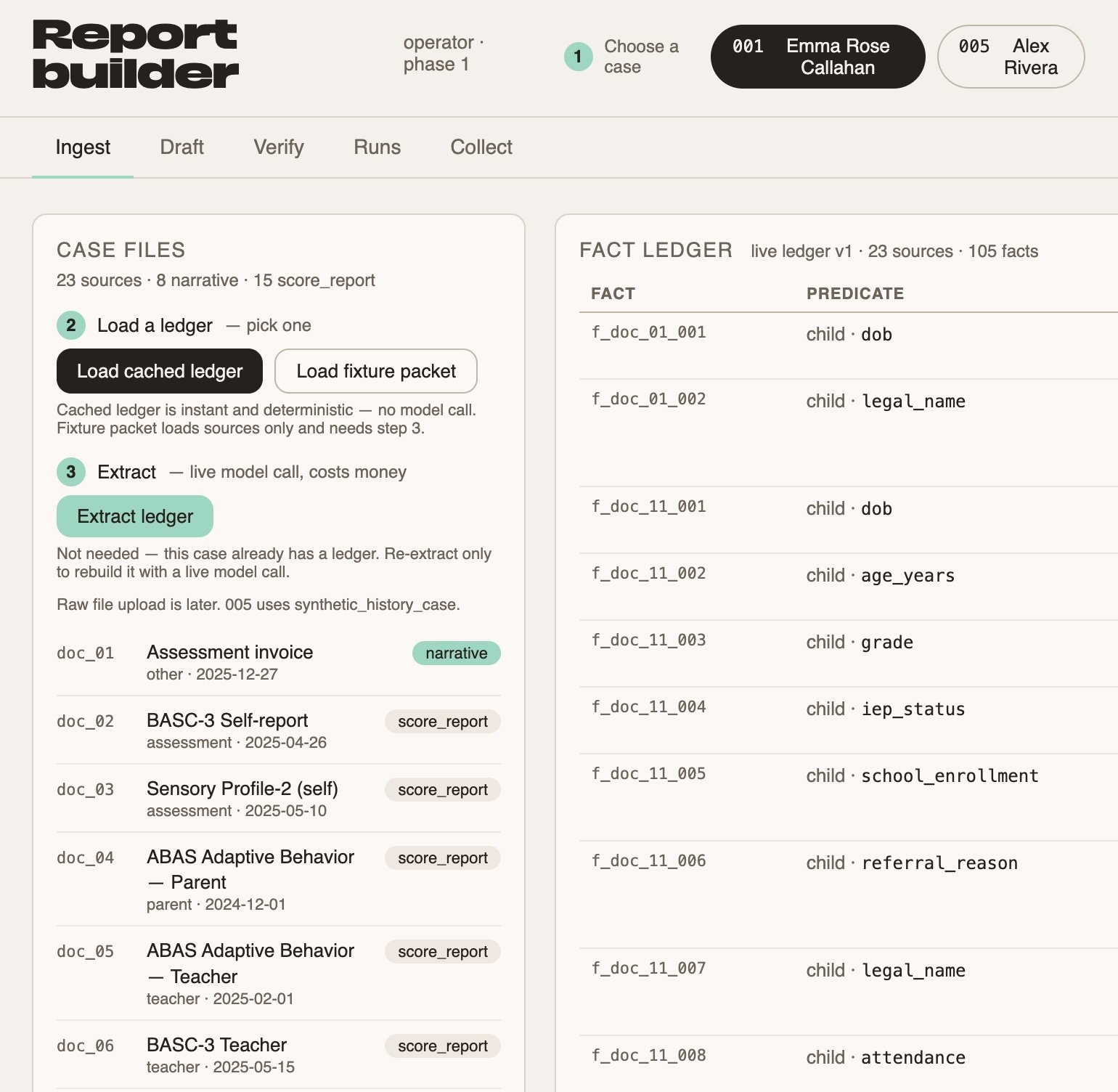
Can a non-technical practitioner get a reliable AI collaborator while keeping AI out of client relationships?
Intake process mapping
Configured using practitioner-authored samples
Output reliability & eval
Structured input/output design
HITL review
Practitioner-only deployment
The design question that mattered most was where the AI belongs. Built for a licensed educational psychologist, it works only for her, drafting from her own reports and intake process, and never touches the families she serves, so the clinical relationship stays fully human. The engineering underneath is reliability: defining what a trustworthy draft looks like, then building the checks that let her actually rely on it. In build using the ChatGPT API & synthetic cases; intended deployment in a HIPAA-compliant environment.
Job Search Agent DIY Kit
Personal tool, in development
Can a job-search agent force better reasoning instead of just faster applications?
Agent architecture design
HITL eval design
Self-revising instruction loops
Fit/winnability scoring frameworks
UX writing for agent outputs
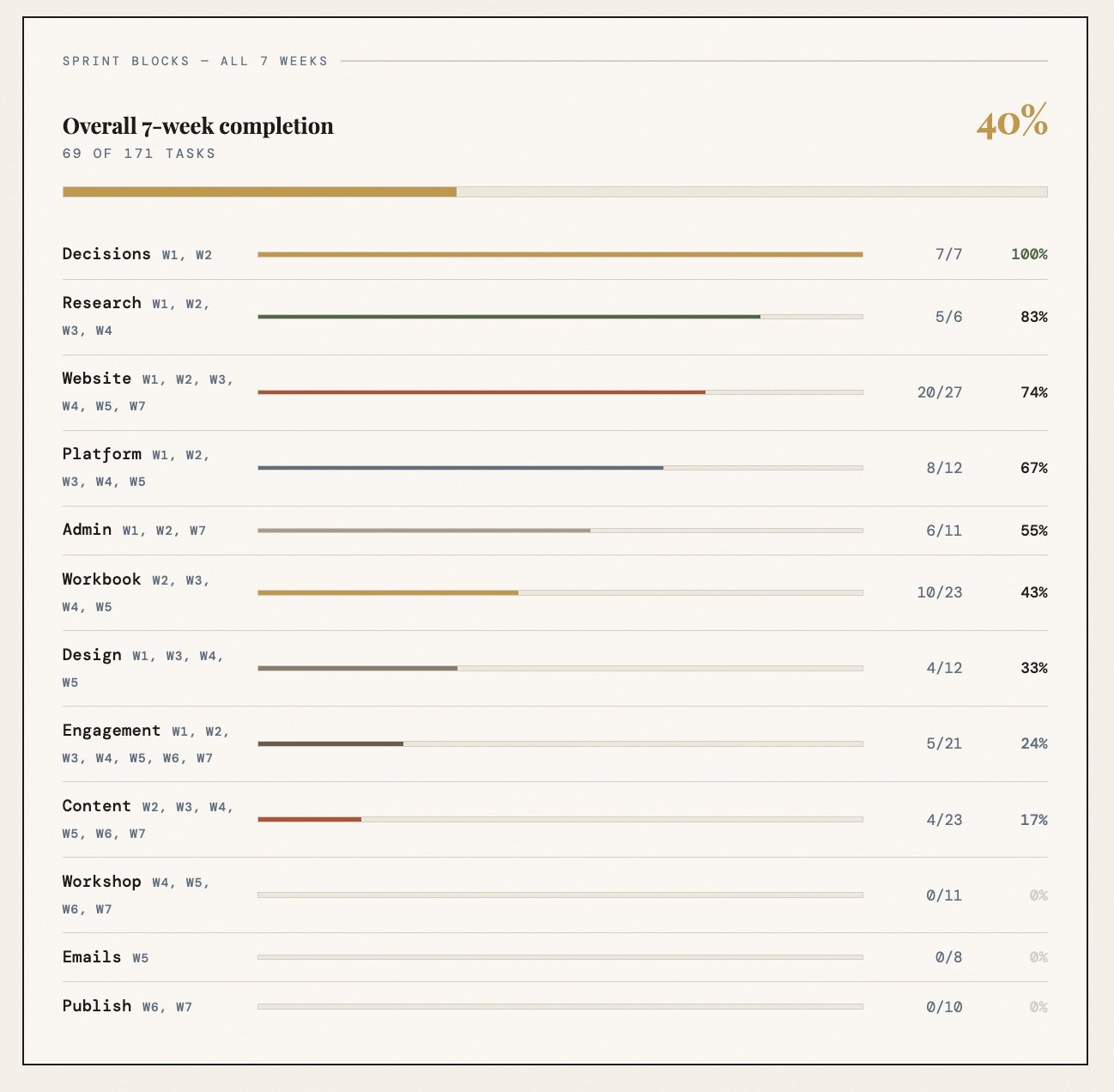
Built the evaluation agent that conflated dimensions of job post scoring. The second version asks for a human desirability rating on each role instead of inferring it, guiding users through the process. The result creates acceptance gates and model-assessed winnability alongside more emotional metrics like excitement, so the reasoning stays legible to the person using it. The current work is turning a tool that only I could run into one a stranger can pick up and trust.
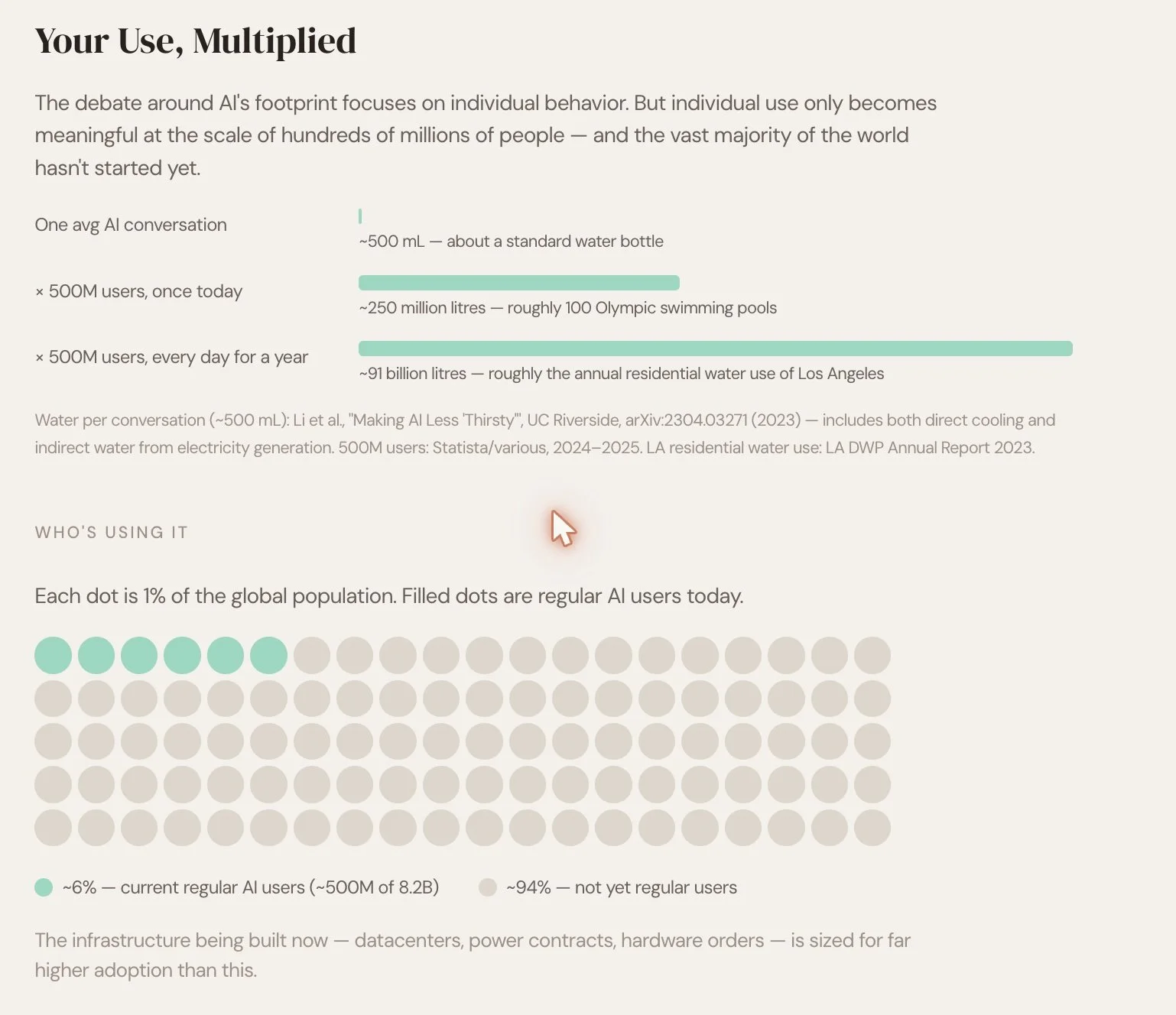
Impact Dash-board
Personal research tool, live prototype
What does your AI use actually cost in energy, water, carbon, labor, and physical resources?
Token-level usage profiling
Environmental & social impact modeling
Behavioral-nudge testing
Interaction design
Rapid prototyping
Two major pivots on this one: lost the individual-framing approach after testing showed it didn't shift behavior; redesigned around population-level impact. See the live version. But the real finding was that people loved getting their AI usage profiled! A second version, built for that mirror, is in progress.
Here are a few of my favorite examples of how this looks IRL. Each past project vignette includes the organization type, scale, primary research question, a few key methods, and the outcome.
Applied Research

Non-profit East Africa-based mental healthcare provider scaling up to 100 million clients
How do we deliver our clinical services in a scalable, client-centered way?
Interviews
Focus groups
Co-design
Guiding principles
Documentation & Reporting
Training
The engagement equipped the organization to build its own qualitative research team, positioning them for upcoming pilot and RCT work.
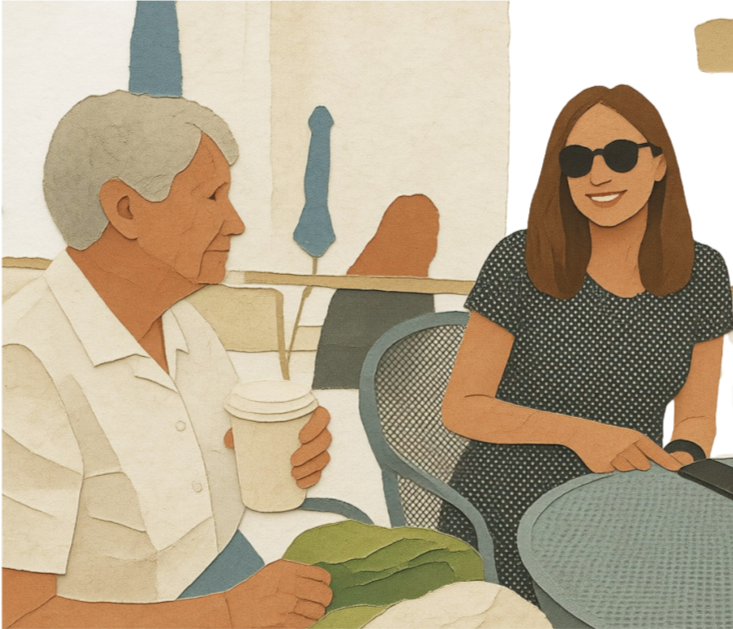
Early-stage mental healthcare start-up in Minneapolis, MN
Is there a market for preventative mental healthcare and how can potential clients afford it?
Market assessment
Impact & cost modeling
Pilot & scaling models
Resource allocation
Go-to-market planning
Pitching & business development
Prototyping data and reports from the engagement opened talks for nationwide piloting with a pharmacy chain.

Multinational consumer brand with over 400k employees and their university partner
How do we support our employees in learning about sustainability and becoming active contributors?
Interviews
Surveys & descriptive statistics
Co-design
Guiding principles
Wireframing & mockups
Roadmaps
The online course for employees was redesigned, improving engagement and learning comprehension to increase completion rates by 66%.
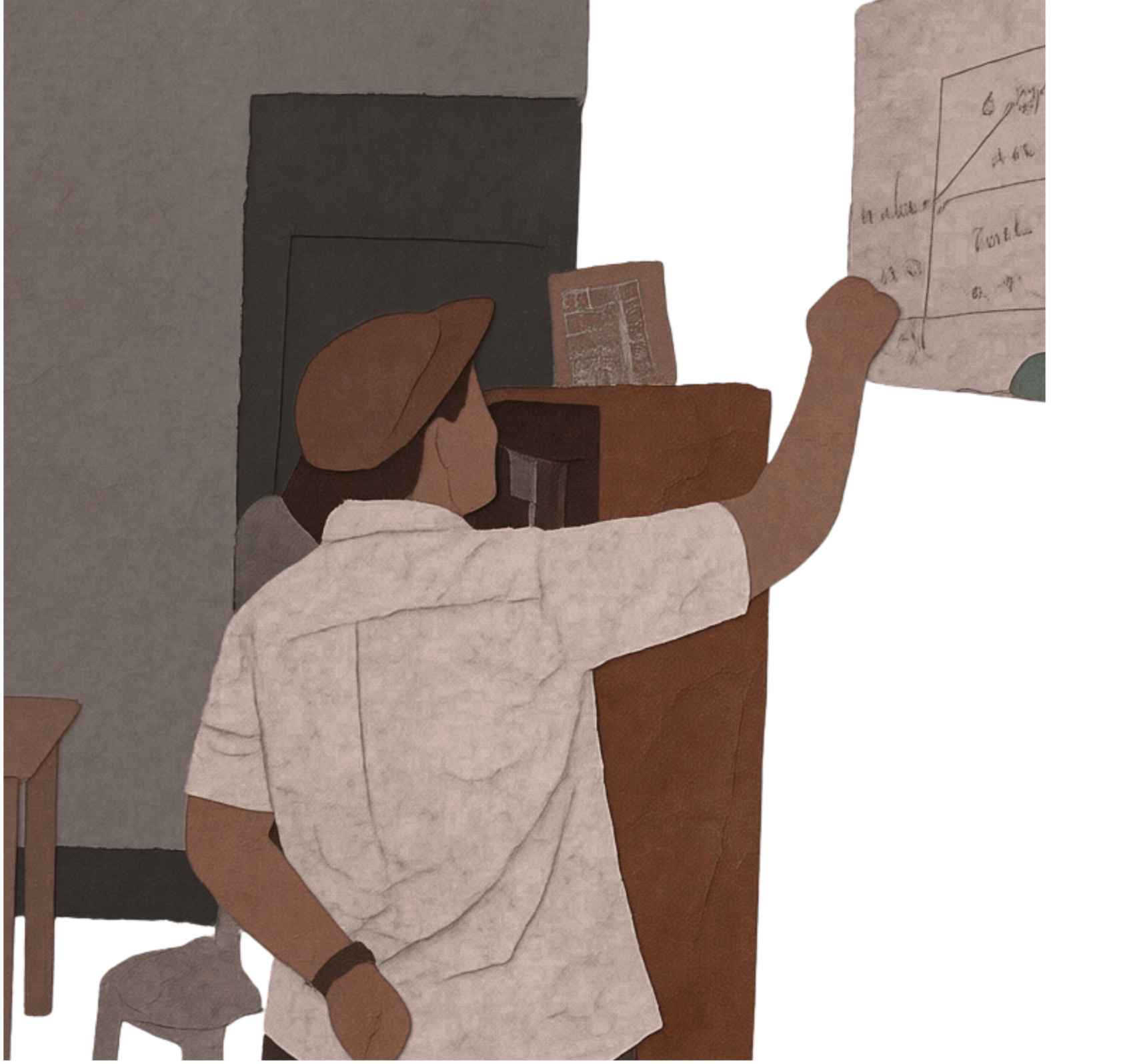
Global conservation non-profit exploring new ways to reduce human-wildlife conflict
How can we distribute a product we have found to be effective in improving conservation outcomes?
Interviews
Prototyping
Co-design
Pilot & scaling models
Impact & cost modeling
Go-to-market plan
They went from a product idea to a financially viable market-ready brand with a distribution strategy.